
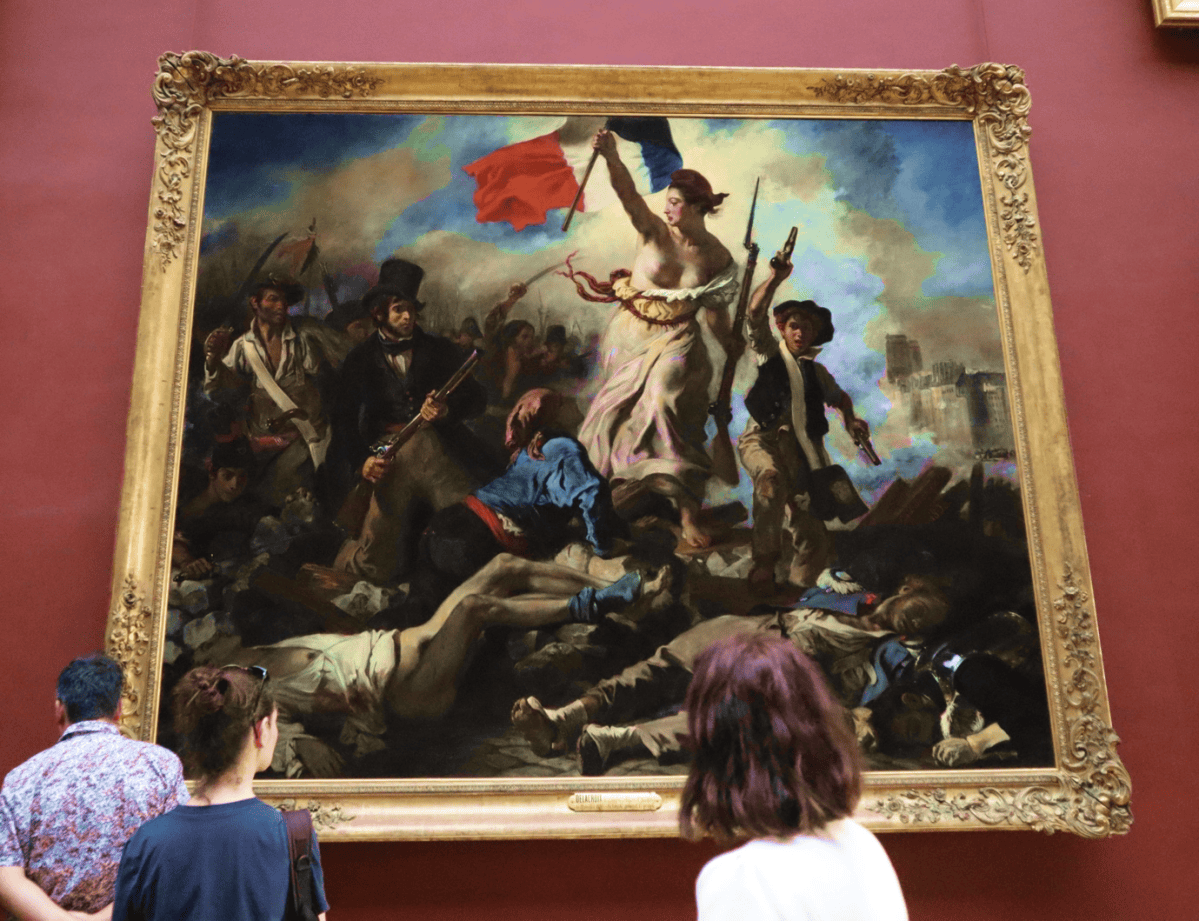
What does it mean to belong to a nation? And how do music, memory, and shared experiences shape that feeling?
BY ALJOHARAH ALKAUD
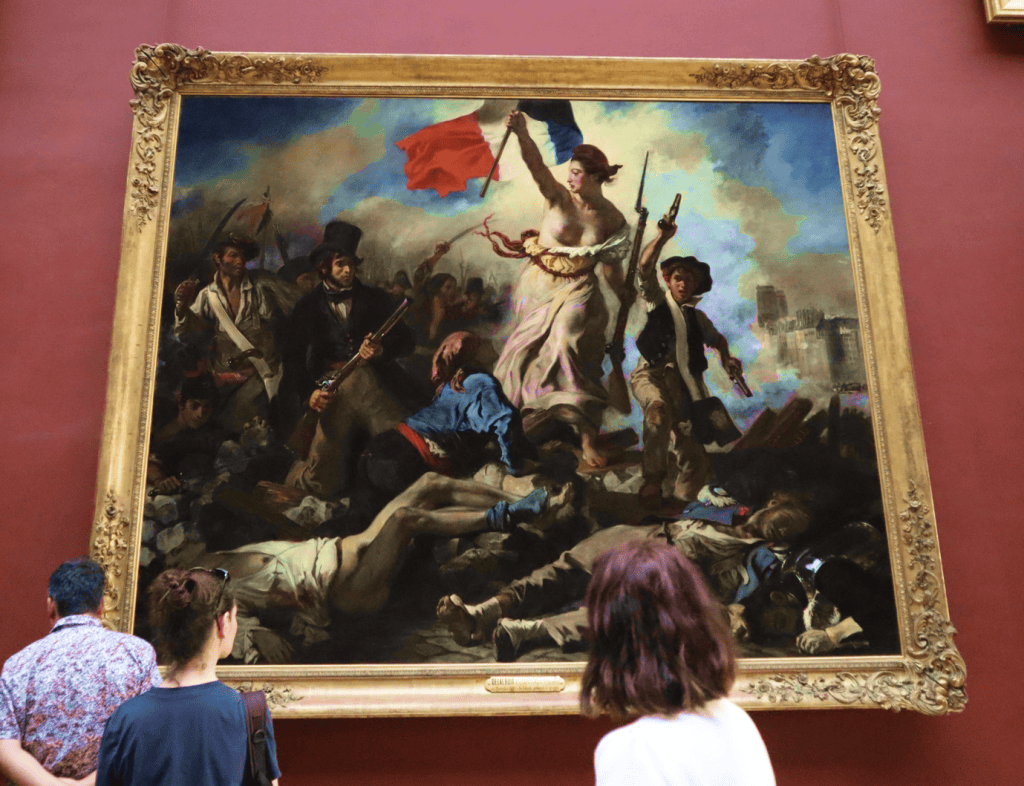
There is something particular about hearing a song that reminds you of home. It might be a national anthem, a traditional song or simply a piece of music associated with a certain place or period in your life. It can bring back memories of family, familiar landscapes, celebrations and traditions. Music has a way of making belonging feel tangible. It takes something as abstract as identity and turns it into an emotion.
Perhaps this is why national identity is so difficult to define. It is often discussed in political terms, through citizenship, borders and institutions. Yet for many people, belonging to a nation is also about much smaller things: the language they grew up speaking, the traditions they inherited, the history they learned and the people with whom they share a sense of familiarity.
The British band Coldplay’s ‘Violet Hill’, released in 2008 as the lead single from their album ‘Viva la Vida or Death and All His Friends’, offers an interesting starting point for exploring this relationship. The album draws on historical and religious imagery, with themes of power, conflict and uncertainty through its music. Violet Hill is particularly interesting in this respect: although it is not a conventional song about national identity, its imagery of authority, conflict, religion and personal vulnerability raises questions about the relationship between individuals and the wider communities in which they live.
More Than A Shared History
What makes millions of people, most of whom will never meet, feel that they belong to the same community? Benedict Anderson’s influential concept of nation as an ‘imagined community’ offers one way of understanding this. He argues that national belonging is built upon a shared sense of connection between people who may never encounter one another personally.
This does not mean that nations are imaginary or that their significance is somehow less real. Rather, national identity is sustained through shared histories, cultural practices, symbols and narratives. Anthony D. Smith similarly identifies common memories, myths, cultural traditions and attachment to a homeland as important elements in the formation of national identity.
These connections help explain why national belonging can be deeply personal. For some, it is expressed through pride in their country’s history; for others, through language, family traditions, literature, food or familiar customs. Often, it is found in everyday experiences rather than grand declarations of patriotism.
Michael Billig’s concept of ‘banal nationalism’ is particularly relevant here. He draws attention to the ordinary ways national identity is reproduced through familiar symbols, language and everyday routines. A flag or national celebration may be an obvious expression of belonging, but national identity also exists in the quieter details of daily life.
Importantly, people do not necessarily experience these connections in the same way. A shared history does not guarantee a shared interpretation of the past. Traditions may connect generations while also changing in meaning over time. National identity is therefore not simply something inherited unchanged; it is something people continue to interpret and experience.
When Music Meets Identity
Music offers a particularly interesting way of exploring these experiences. A song does not have to be a national anthem to evoke a sense of place or collective memory. It might remind listeners of a particular generation, a historical moment or a shared cultural experience.
As Simon Frith argues, popular music helps people express identity and make sense of their relationship with others. Its meaning is not determined entirely by the artist’s intentions; listeners also bring their own memories and experiences to it. The same song can then mean very different things to different people.
This brings us to Violet Hill. The song opens with images of a bleak December and develops through references to religious imagery (‘priests clutched onto bibles’), political and economic authority (‘when the banks became cathedrals’) and the expectations placed upon individuals in times of conflict (‘I don’t want to be a soldier who the captain of some sinking ship would stow far below’). Together, these images showcase a world in which institutions, beliefs and political expectations shape individual experience. The narrator’s reluctance to become a soldier is particularly significant, as it introduces a tension between personal choice and the demands of a wider collective. In this sense, the song offers an interesting starting point for considering how individuals negotiate ideas of duty, loyalty and belonging.
It would be too simplistic, however, to interpret the song solely as a criticism of nationalism or patriotism. Its imagery allows for a broader discussion about how individuals relate to authority and collective responsibility. What does it mean to be asked to make sacrifices in the name of something larger than oneself? How do people understand duty when it is connected to national belonging?
These questions do not require us to reject patriotism or regard national loyalty with suspicion. They simply invite us to consider the different meanings that belonging can carry. For some, sacrifice may represent solidarity with fellow citizens and a commitment to protecting a shared way of life. Others may question how decisions about sacrifice are made and who is expected to bear their consequences.
There is also an important distinction between a country, its people, its culture and the political institutions that govern it. For instance, appreciating national traditions does not necessarily mean agreeing with every political decision made in the country’s name.
The Country We Carry
National identity is not a single, finished idea. It is something people inherit, experience and reinterpret. It can provide continuity in a changing world, connecting individuals to places, histories and traditions that extend beyond their own lifetimes. Yet, its meaning can evolve as societies change and new generations bring their own experiences to the stories they inherit.
Potentially this is where music becomes especially valuable. Songs can preserve emotions, memories and experiences that are not always captured in official accounts of history. Violet Hill does not need to offer a definitive answer about national identity to be meaningful. Its value lies in the questions it encourages us to ask about authority, individual experience and collective responsibility.
Ultimately, national identity can mean many things: affection for a place, appreciation of cultural heritage, connection to a shared past or responsibility towards fellow citizens. These meanings can coexist, even when people understand them differently.
Perhaps national identity is not only about the country we inherit, but also about the country we carry with us: the memories, traditions, stories and relationships through which a place becomes meaningful. It is something that can unite people without making them identical. As well as something that can be cherished without being beyond reflection.
After all, belonging does not necessarily mean having all the answers. Sometimes, it begins with recognising that a place, a history or a shared tradition has become part of who we are.
Bibliography:
Anderson, Benedict, Imagined Communities: Reflections on the Origin and Spread of Nationalism, (London, 2006).
Billig, Michael, Banal Nationalism, (Sage Publications, 1995).
Coldplay, Violet Hill in Viva la Vida or Death and All His Friends. (Parlophone Records, 2008).
Frith, Simon, Performing Rites: On the Value of Popular Music, (Cambridge, Mass, 1996).
Smith, Anthony D., National Identity, (Reno, 1991).

