A Podcast by Dr. Pablo De Orellana and former Editor-in-Chief of Identity Hunters, Phil Nomikos
Categories
Podcast about the Project

 Identity Hunters
A Podcast by Dr. Pablo De Orellana and former Editor-in-Chief of Identity Hunters, Phil Nomikos

The author of the quote above is Milan Mazurek, Vice Chairman of the nationalist Kotleba – Peoples’ Party Our Slovakia (K-ĽSNS). This piece will provide an analysis of a speech that Mazurek gave during a protest against “Gypsy terror” in the city of Krompachy. What warrants my attention to this particular speech is the way in which Mazurek discursively constructs the body and mind of Slovaks and that of Roma in a binary opposition to each other, and how he is able to maintain a non-racist stance even though racism and racial stereotypes clearly manifest themselves throughout the speech.

The Haitian Revolution that began in 1791 and ended thirteen years later with the creation of the first independent state in the Caribbean and Latin America in 1804, is as C.L.R James notes, a truly epic story. It was the metamorphosis of a socially disaggregated and dislocated collection of people, united often only by the continent of their origin, into a revolutionary polity and self-identifying nation.

Nationalism is back. In the last two years, nationalists have conquered the core of conventional politics in an electoral resurgence that has brought it back from the fringes. Its support, discourses and arguments draw on old logics but directly address grievances born out of global effects of the economic revolution that begun in the 1980s. While 2017 saw the consolidation of nationalist successes in the West, 2018 will see their ideas put to the test.

We studied Fiji because we were interested in the impact of climate change on peoples’ links with their state and territory. However, the more we learnt, the more Fiji helped us re-examine some of the concepts that are often naturalised or presented as organic and inevitable by nationalists, and enabled us to rethink our ideas about political communities. What follows is an attempt to engage critically with these ideas.
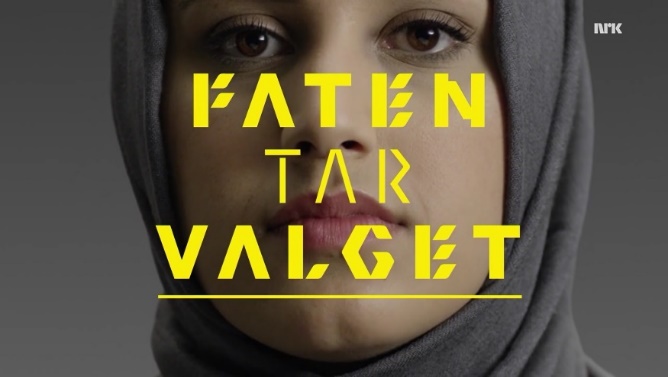
No one could foresee it becoming an issue in last year’s Norwegian General Election: the Norwegian Broadcasting Corporation’s (NRK) launch of the TV show ‘Faten goes to the polls’. Before the show was even aired, NRK had received around 6000 complaints, different in nature, but all deeply dissatisfied with a hijab-wearing woman being the protagonist of the show. The discussion around what the hijab symbolised, and whether it was compatible with Norwegian values, fired off.
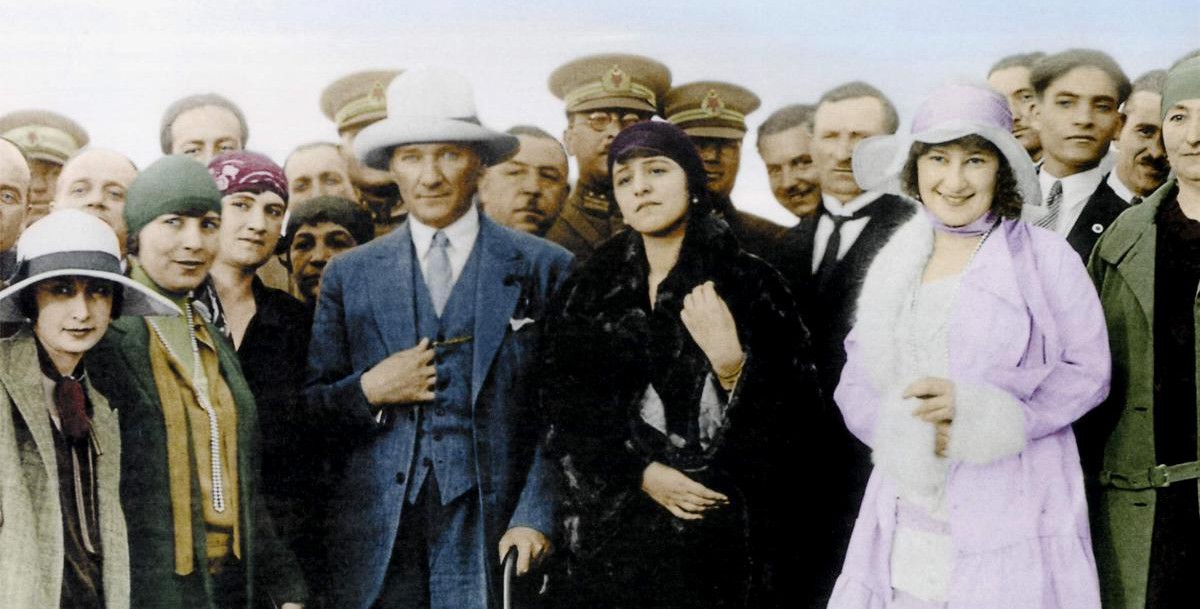
On the 4th of November 1872, a newspaper in Istanbul featured a rather poetic editorial claiming that “if all the improvements in the world were photographed in a picture, the whole civilised world could only show as much as London”. Signifying somewhat of an internalised orientalism, literary depictions of the ‘civilised’ West were common in late-19th century Ottoman Empire. Nevertheless, there is more to this than meets the eye.

History is one of the battlegrounds of nationalist movements. In their attempts to naturalize the nation and to control who belongs to it, nationalists mythologize some events while silencing others. In France, the return of nationalism in last year’s elections is indicated by the place that the pretended need for a “roman national” occupied in the electoral debates.

Anywhere you go in France or in the world, for any event be it a football match, a presidential election or a music concert, there will be a Breton flag. This is Brittany’s soft power and cultural expression. Although it is a pretty small region of France, Brittany’s history and cultural identity is powerful.
 Identity Hunters