Categories
Article

What if France were to pay reparations to all its former colonies?

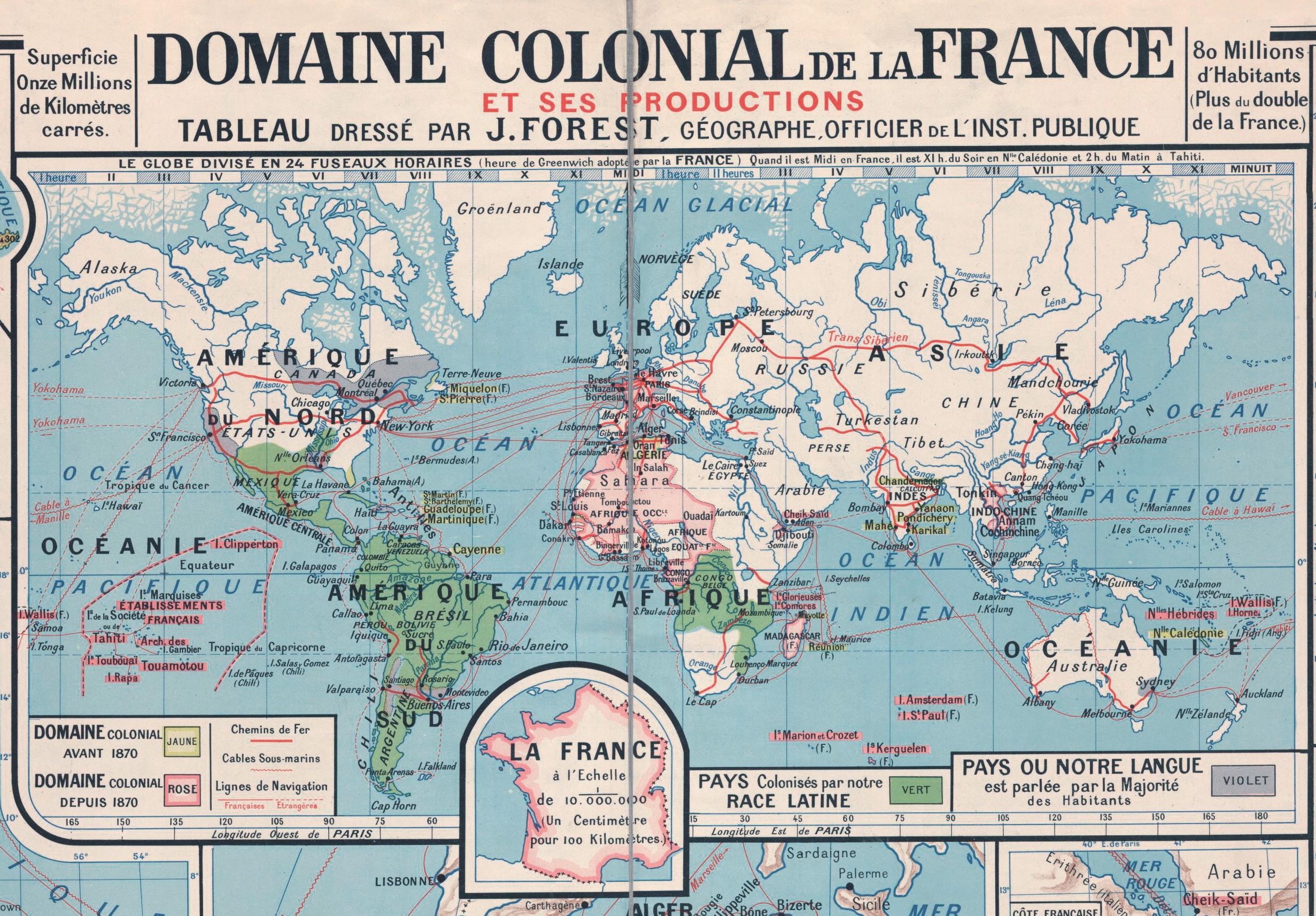
By Mathilde Balmary and Lena Colle-Tri https://assets.lls.fr/pages/6990724/doc1.jpg IntroductionIn 2003 the Haitian President Aristide gave a public speech within which he asked for reparations from France and the United States, for colonial exploitation. However, just a year after this speech, a coup was organized in order to overthrow President Aristide and his “provocative” proposition. If you […]

Categories
Article

“Comment est votre blanquette ?” Or the use of French Comedies as Nationalist Tools

By Mathilde Balmary Quoting the famous French agent OSS 117 might be an odd way to start an article on French nationalism, however French comedies are crucial in the shaping and debating of national identity. From Molière to modern cinema, humor has always been a way for the French to reflect on their own society. […]

Categories
Article

Central in Imagery, Excluded from Power: Women in India’s 1940s Nationalist Movement

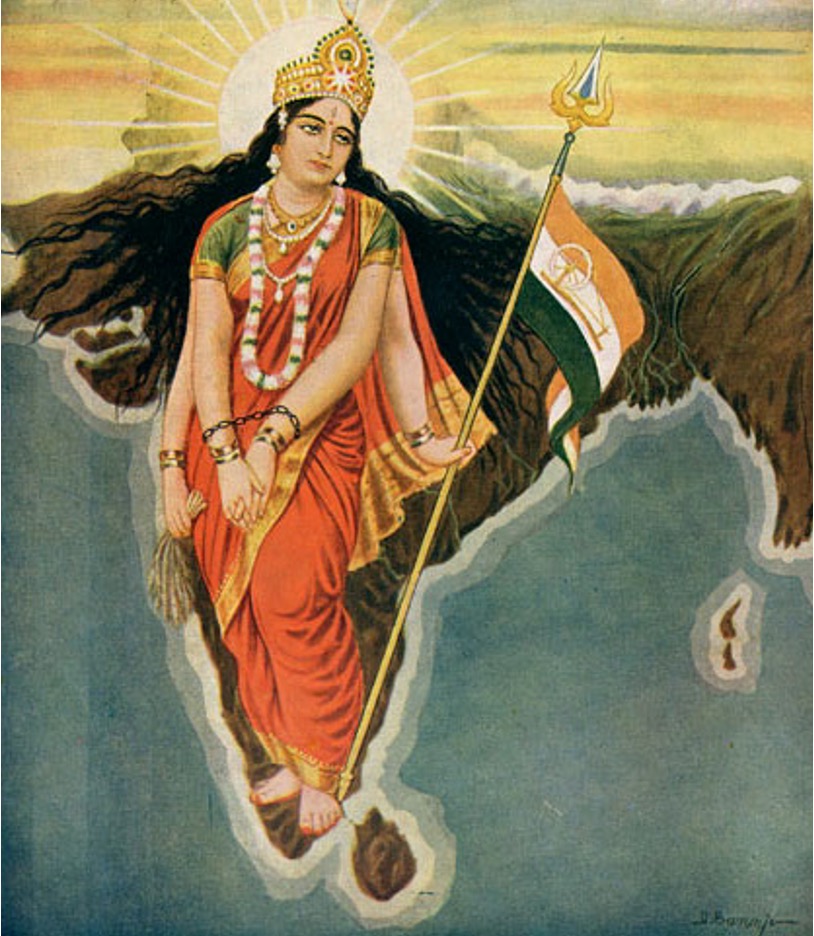
By Layla Al Dabel Draped in a saffron robe, holding the tricolor flag in one hand and symbols of Indian heritage in the other, Bharat Mata – Mother India – stands upon the map of undivided India. Her image, both divine and maternal, became the embodiment of the nation during India’s struggle for independence. In […]

Categories
Article

The Politics of Yearning: MAGA and Nationalist Nostalgia

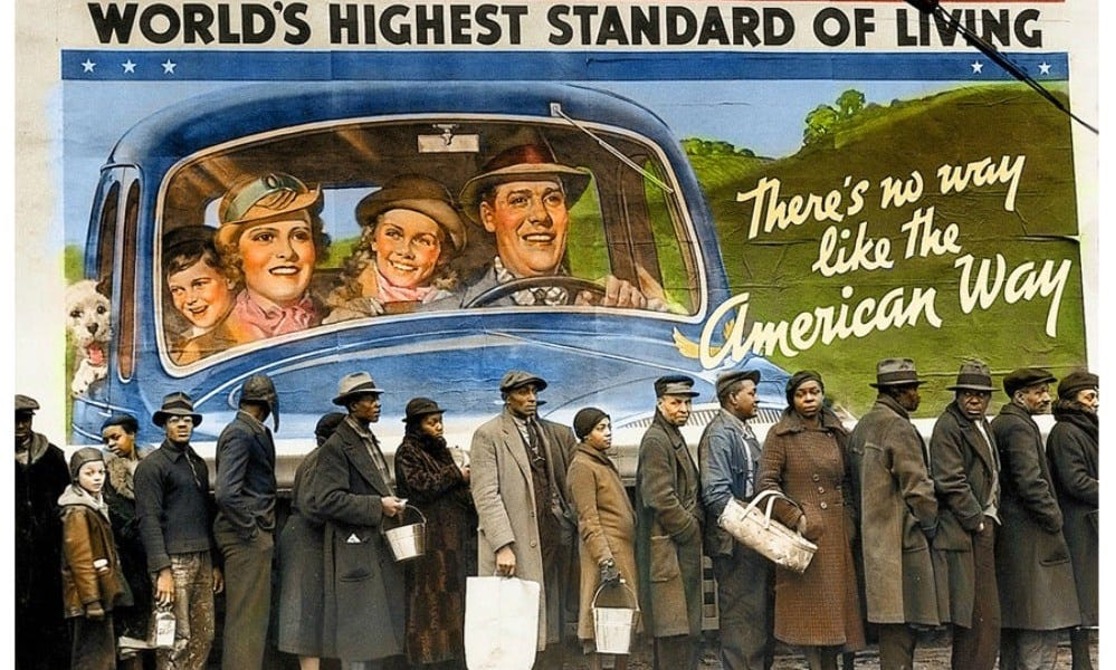
By Layla Al Dabel Longing, affection, and sentimentality for the past. Nostalgia comes from Greek nostos (return home) and algos (pain) (1). Originally described as a medical condition of homesickness, nostalgia today represents a sentimental yearning for an idealized past (2). For nationalist movements worldwide, this emotional longing isn’t just incidental – it’s a fundamental rhetorical strategy that transforms […]

Categories
Article

Conservative Makeup’: A Performance of Gender in the Right Wing

By Sukhmani Dev “And of course, we’re starting with the darkest shade first. “Transition shades”? Terrifying. Probably because it’s got the word trans in it. But hey, who needs soft gradients when you’re too busy fighting culture wars and Making America Great Again, one heavily contoured eyelid at a time?”[1] This viral statement from a […]

Categories
Article

Assia Djebar – The disappearance of the French language.

Assia Djebar (1936-2015) is an Algerian author who wrote the novel : ‘The Disappearance of the French Language’. This article explores the way in which the theme of the politicisation of language by nationalist politics is expressed in this novel. It ends with a suggestion as to how its ambiguous title might be interpreted. The main character Berkane an […]

Categories
Article

The Myth of Pocahontas: How Disney’s Romanticized Narratives Shapes National Identity and Distorts Indigenous History

By Lorraine Lambert Delalbre When a generation of children first encountered the story of Pocahontas through Disney’s colourful lens, they absorbed a narrative far removed from the tragic realities of colonization, one that continues to shape perceptions of history, identity and indigenous struggles.  Romanticization of History Disney’s movie released in 1995, Pocahontas, presents a sanitized and […]

Categories
Article

Music, Murder, Torture: Ismail Türüt’s music as a symbol of Turkish nationalism

By Sukhmani Dev Hrant Dink, a Turkish Armenian intellectual, was assassinated on 19 January 2007 in Istanbul. Soon, a song by the nationalist folk singer Ismail Türüt, released later in the year, sparked controversy when a YouTube video linked the lyrics to Dink’s assassination in a celebratory manner. In 2017, Zabit Kişi, a critic of […]

Categories
Article

“A most ingenious paradox!” – how Gilbert and Sullivan’s Savoy Operas both critiqued and constructed British identity 

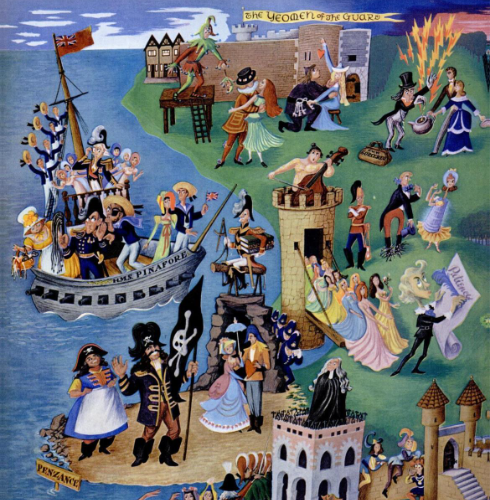
By Aron Tisoczki The theatrical partnership of dramatist W. S. Gilbert and composer Arthur Sullivan gave rise to a series of comic operas that have enjoyed broad success ever since their inception between 1871 and 1896. The success of these “Savoy Operas” in the English-speaking world has endured well into the twentieth and twenty-first centuries. […]