Categories
Article

The Tatar Issue in Russia’s Centre of Spiritual Unity

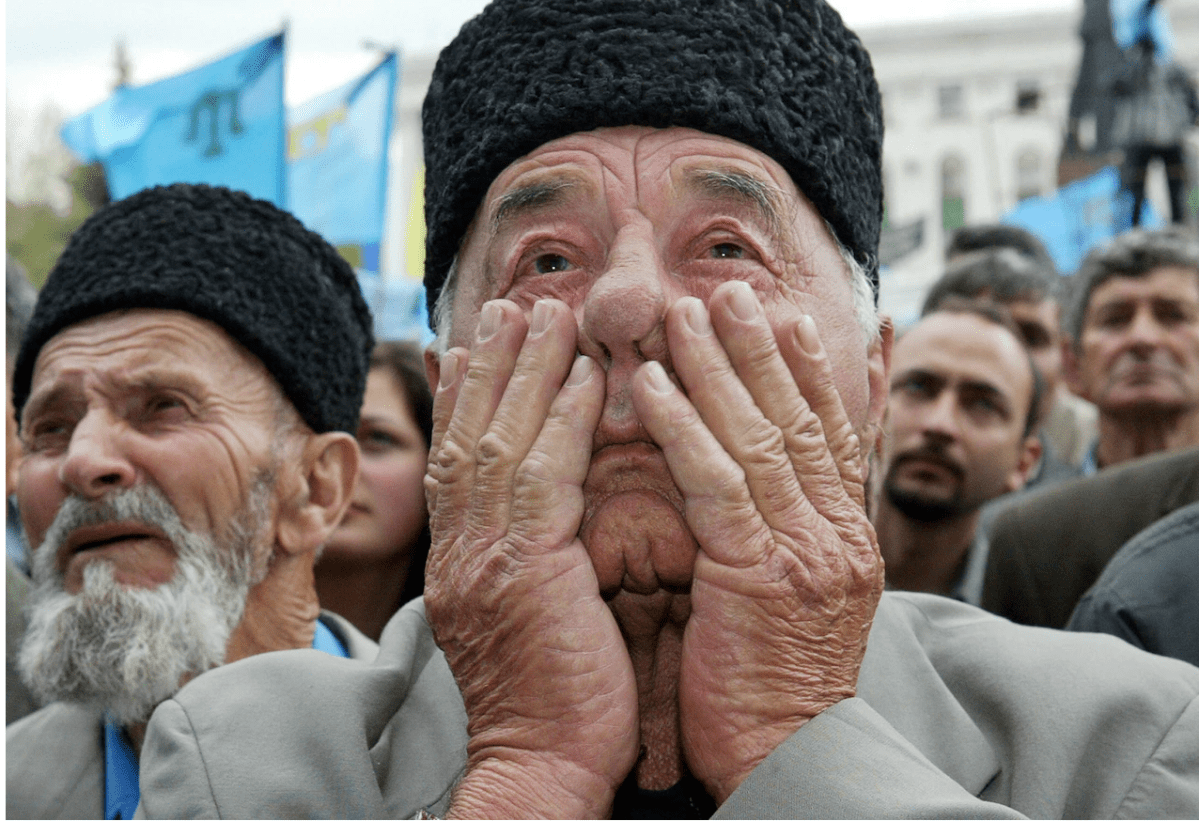
Written by: Miriam Yakobashvili Crimea, Russia’s “centre of spiritual unity,” as claimed by Putin, has been inhabited by the Crimean Tatars for centuries. The ethnic group has lived on the peninsula throughout the Ottoman period as well as after Catherine II’s takeover in 1783. In an effort to Russify the region, and as a part of Stalin’s ruthless ethnic policies, the General Secretary accused […]
Categories
Podcast

The Global Rise of Neo-Authoritarianism: Causes, Forms, and Consequences

In this podcast, Kemal Mohamedou traces the global trajectory of neo-authoritarianism, from its conceptions and configurations, to the ramifications it leaves in its wake. The insightful episode investigates today’s disciples of neo-authoritarianism and their “shift away from democracy, multilateralism, and cooperative security.” Featured Imagery: Sigmund Freud artwork by David Cerny hanging over a street in […]

Categories
Article

FdeSouche, or ‘you will be a (far right French) man, my son.’

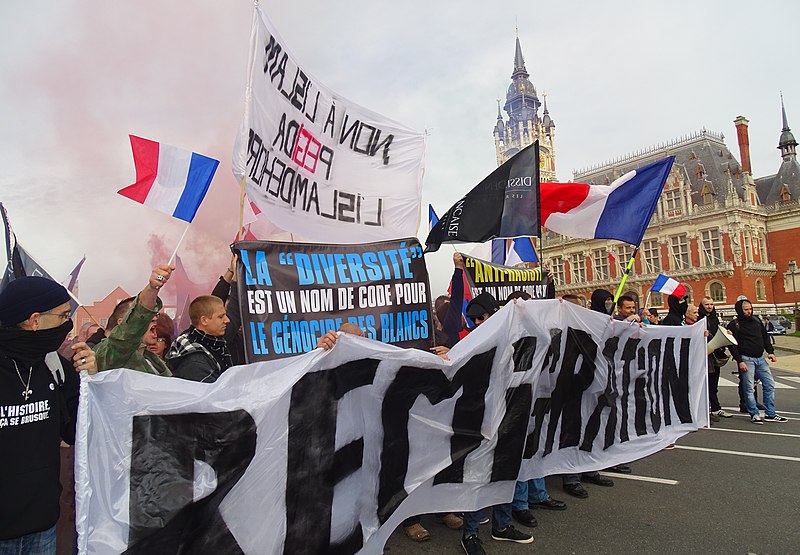
Written by Lucile de Laforcade Chère France, salvation is on its way! Against the ‘complete state of deliquescence of the country’, FdeSouche is here to the rescue. Founded in 2005, the far right blog, or, to be more precise, ‘news agitator,’ as its members like to call it, has gained increased visibility in its “fight for […]

Categories
Article

“About Us Without Us”: The Lesson of Munich in Czech Understanding and Its Utilisation by Nationalists

Written by: Kristýna Kvitkova “Half a century ago, the world had a chance to stop a ruthless aggressor and missed it. I pledge to you: We will not make that mistake again,” stated President George H. W. Bush on 20th August 1990 following the Iraqi invasion of Kuwait.The “mistake” he vowed to never repeat was the Munich Conference.  In September 1938, Adolf Hitler threatened to start a war in Europe by invading Czechoslovakia in order to annex the Sudetenland, a Czechoslovak frontier […]

Categories
Article

The Mystic of ANZAC: Sacrificial Violence and the Search for Australian Nationhood

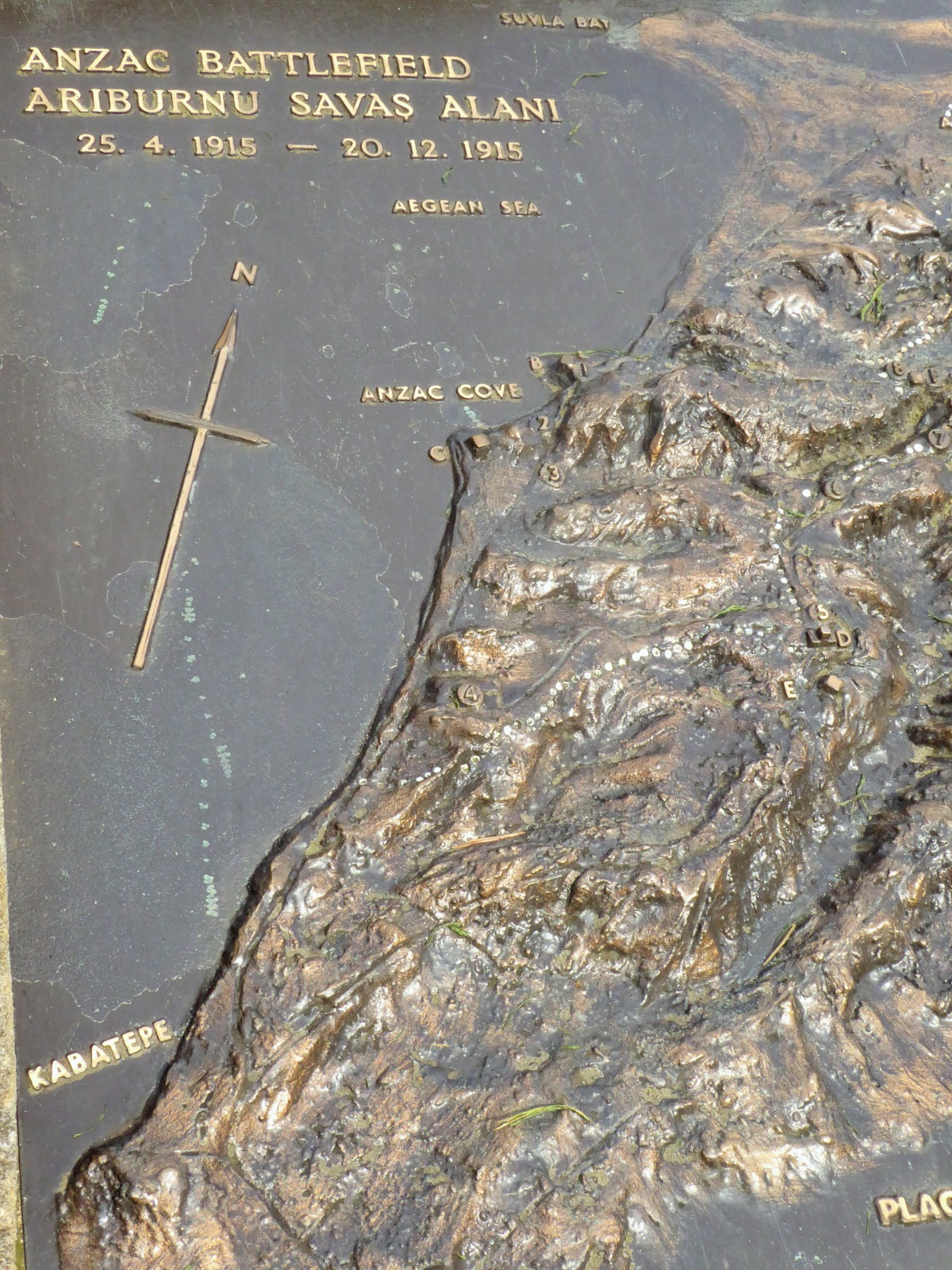
Written by: Alexandra McDermott This weekend saw the marking of Remembrance Day. Many people in various countries will have gathered at war memorials to lay wreaths, paused to pay respect in communal silence or worn a red poppy or bleuet as a gesture of commemoration. The shared trauma of the First World War generated a remarkable phenomenon of memorialization that has proved immensely adaptable, still observed […]

Categories
Podcast

The Fasces: Identity as Symbolic Construction

In this podcast, Marion Gabriel explores the power of symbols in redefining history through means of omnipresence. She investigates the fasces as a poignant example of emblems’ role in constructing a national soul and character. Featured Imagery: Wikipedia.

Categories
Article

“Reaping the Consequences: The Politics of Hate and Atrocity in the Pacific War”

Written by: Luke Matthews The key belligerents of the Pacific War, the United States and the Empire of Japan, engaged in a mutually constitutive identity construction that branded “the other” as savage and necessarily killable. This was based on conceptions of racial and civilizational hierarchy, with each side contending that the other was its direct […]

Categories
Article

The Christian Crucifix: A Symbol of Inclusion or a Weapon of Italian Nationalism?

Written by: Beatrice Bertoli In 2019 I was 16 and, I must admit, not particularly interested in Italian politics and its actors. I did, however, have a TikTok account and, like thousands of other Italians, had heard the viral remix of a speech delivered by the Italian nationalist politician Giorgia Meloni. When addressing piazza San Giovanni in Romeshe made a simple, undeniable statement: “I am Giorgia, I am […]

Categories
Podcast

Podcast: German Musical Genius

In this podcast, Thomas Poulain discusses the pernicious effects of mysticism in our appreciation of classical music. He unravels how the glorification of German geniuses, and the attempts to explain their greatness scientifically, can serve identity discourses (in 1930s Germany or the US today).